
When a parent dies during childhood, the grief doesn't end when childhood does.
Early Parent Loss with Hope Edelman
A six-week live training for people who help others navigate grief.
Reserve your spot →
Something brought you to this work.
Most people who help others navigate grief arrived here through their own experience of loss. You know what it is to sit with someone carrying something heavy and old and unnamed. And if early parent loss has been part of that story, you already know this grief doesn't follow the rules.
It doesn't follow the timelines. It doesn't respond to the usual frameworks. It shows up decades after the loss in ways that are hard to name, hard to trace, and hard to explain even to the person carrying it.
Most training programs don't cover this. Most grief models weren't built for it...
You may recognize this:
Someone you support whose grief keeps surfacing in ways that don't connect to anything recent — a milestone, a relationship, a season — and neither of you has a framework for it.
A loss that happened so long ago it seems like it should be resolved by now, but isn't.
The feeling that your training gave you tools for acute grief, but not for this.
The sense that something formative happened early in someone's life and has been quietly shaping everything since. You can feel it. You've probably seen it. You just haven't had a clear path to understanding it.
For many people who lost a parent young, growing up without them is simply all they have ever known. It doesn't feel like grief. It feels like normal. And that's exactly why it goes unrecognized for so long — by the person carrying it and by the helpers sitting with them.
One of the most common, and least understood, forms of grief.

An estimated 11 percent of American adults lost at least one parent before age 20. That's 1 in 10 of the people you work with — and most of them have never had their experience named, understood, or met with the right framework.
The Six Pillars of Early Parent Loss
Over six weeks, Hope Edelman — who has spent more than thirty years studying exactly this — will walk you through why this grief is different, why it doesn't end, why it keeps reshaping people across their entire lives, and what it means to finally understand it.
What Makes Early Loss Unique
Why losing a parent during childhood is a different kind of wound entirely. What it does to a developing child that adult grief never does — and why that difference follows them for the rest of their life.
The Long Arc of Grief
How this loss keeps showing up across an entire lifetime. Grief spikes, continuing bonds, and what it means to carry this into every stage of life.
Gender Matters
Why the gender of both the parent and the child creates a completely different grief experience. Four combinations, four distinct shapes — and why getting this wrong means missing something essential about the person in front of you.
Coping Strategies and Survival Skills
The adaptations children develop to survive their loss are ingenious. And they can become the very thing blocking a grown adult from moving forward. How to recognize them, name them, and work with them.
Attachments
Early parent loss doesn't just affect how someone grieves. It affects how they love, how they trust, and how they let people in for the rest of their life. Why the attachment wound from this loss runs deeper than most people realize.
Writing a New Story of Loss
The story someone has been telling themselves about this loss since childhood is not the only story. How to help them find a new one — without erasing what they survived.

How it works.
Six live sessions
Every Wednesday from June 17th through July 22nd, live with Hope Edelman.
Two hours each
One hour of deep teaching, a short break, then a live Q&A where you can bring your questions directly to Hope.
Collaborative teaching with David
David Kessler joins Hope for two of the sessions to teach and answer your questions.
Every session recorded
You'll have ongoing access to all the replays so you can return to the material whenever you need it.
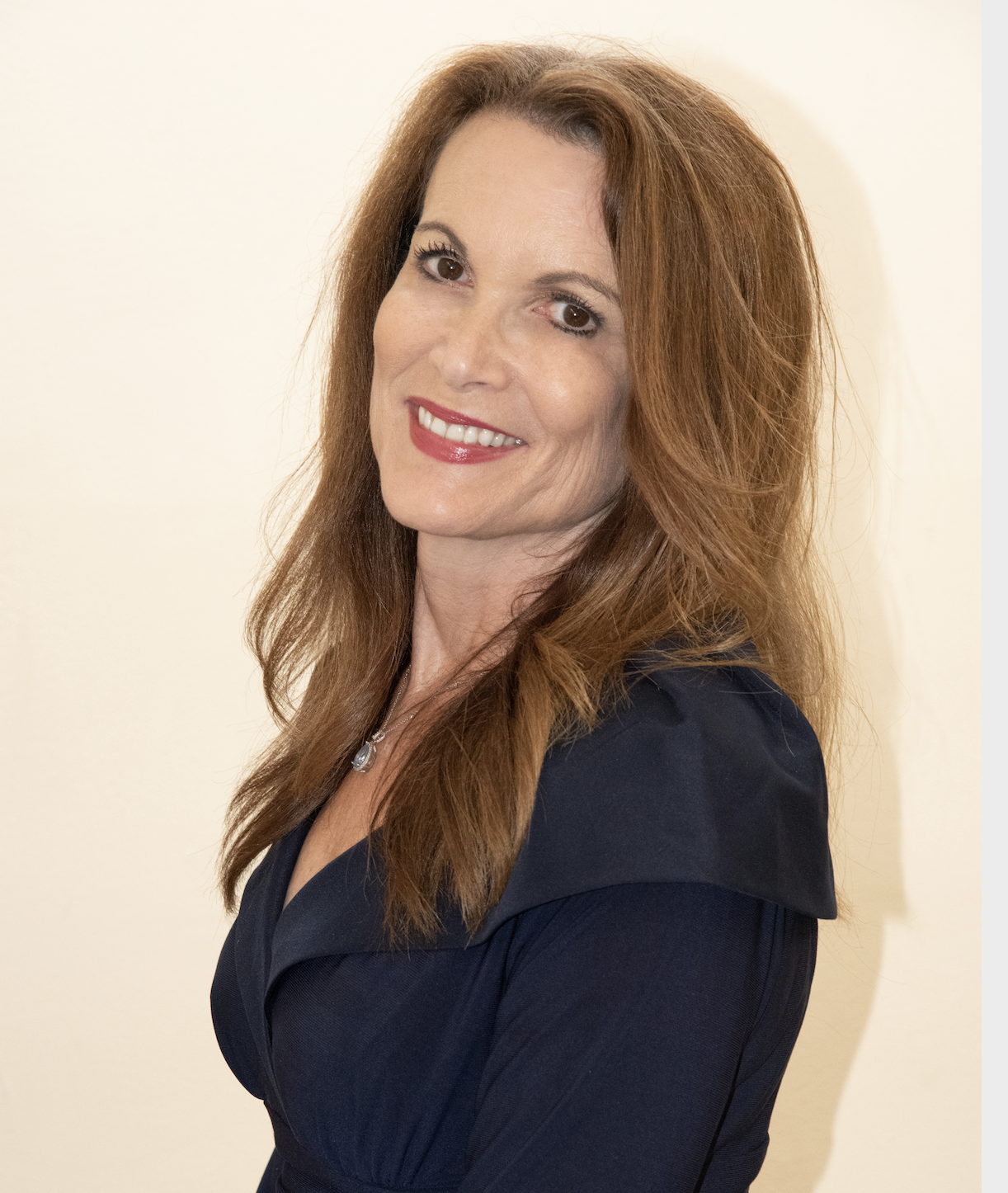
Hope Edelman
Hope Edelman lost her mother at 17. Unable to find a book that could explain what she was feeling, she eventually wrote one. Motherless Daughters has sold more than a million copies worldwide and has been helping people understand mother loss for more than thirty years.
Hope is a trained life coach and narrative therapist, and the creator of grief support circle curriculum. Early parent loss has been the center of her life's work.
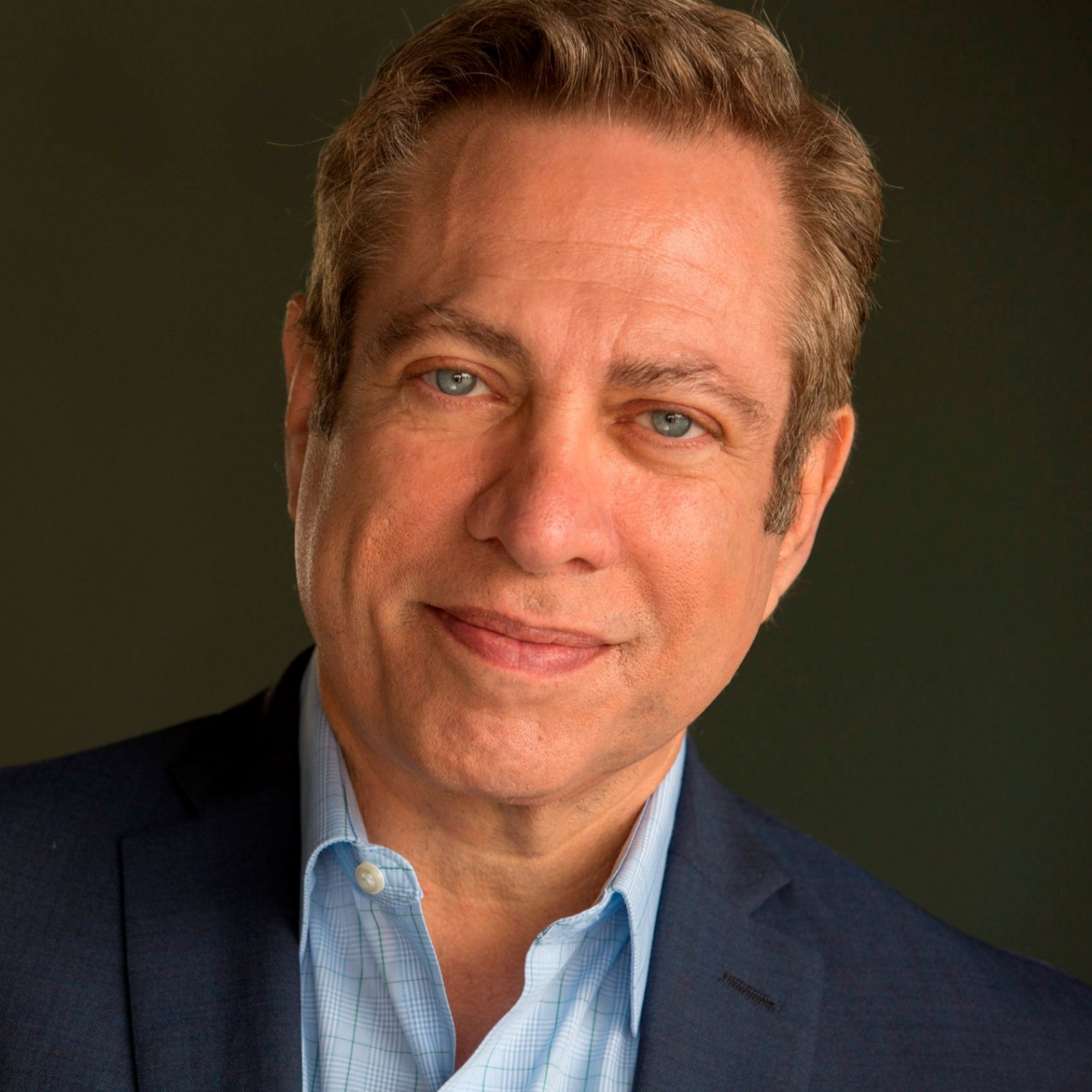
David Kessler
David Kessler is the world's foremost expert on grief. Author of Finding Meaning: The Sixth Stage of Grief, co-created with Elisabeth Kübler-Ross, and founder of grief.com.
He has spent decades helping people find their way through loss — and bringing the most important voices in grief to his community.
This training is for you if…
You work with people in grief in any capacity — as a therapist, counselor, coach, chaplain, hospice worker, grief educator, or peer supporter.
You keep encountering early parent loss in your work and want a real framework for it.
You want to go deeper on a specific and underserved area of grief.
You carry your own experience of early parent loss and want to understand it more fully — both for yourself and for the people you support.
Frequently asked questions.
Browse all questions
About the training
Who is this training for?
This training is designed for anyone who helps others navigate grief — therapists, counselors, coaches, chaplains, hospice workers, grief educators, and peer supporters. We also know that many people drawn to this work carry their own experience of early parent loss, and that this training will resonate personally as well as professionally. We welcome the whole person who shows up.
Do I need specific credentials or experience to join?
Not at all. This training is open to anyone who helps others navigate grief, whatever your background or years of experience. What matters is that you care about doing this work well.
What kind of experience is this?
This is a deep educational training for people who help others navigate grief. Over six weeks you'll build a rich understanding of early parent loss — what it is, how it develops, and how it keeps shaping people across an entire lifetime. The Q&A each week is a space to bring your real questions from your work with others.
Does this course offer CEUs or count toward a credential?
This training is focused entirely on giving you a deep foundational understanding of early parent loss — the kind that changes how you see and support the people you work with. It does not offer CEUs or confer a credential. There's no box to check here. Just real learning.
The live sessions
What time are the sessions, and what if I'm in a different time zone?
Sessions run every Wednesday at 10 AM PT / 1 PM ET from June 17th through July 22nd. And remember — if the time doesn't work for you, the replay will always be there.
How long is each session?
Each session is two hours — one hour of teaching followed by a short break and a live Q&A with Hope.
Will my camera be on?
Your camera is completely optional. Join with it on or off — whatever feels most comfortable to you.
Can I ask Hope and David questions directly?
Yes. Each session includes a live Q&A where you can bring your questions directly to Hope. David will be available for questions during his two sessions.
Replays & refunds
Do I have to attend live?
Not at all. Every session is recorded and you'll have ongoing access to all the replays so you can learn at whatever pace works for you. That said, there's something special about being in the room live — the Q&A, the energy of the cohort, the chance to bring your questions directly to Hope and David.
What is your refund policy?
We offer a 10-day no questions asked guarantee. Simply email us and we'll take care of it promptly.
We're here to help.
Reach out and a real person will get back to you promptly.
[email protected]I'm ready to join.
Six Wednesdays with Hope Edelman and David Kessler — and a framework you'll carry into every session, for the rest of your career.
I'm Ready to Join →
Join Our Free Trial
Get started today before this once in a lifetime opportunity expires.